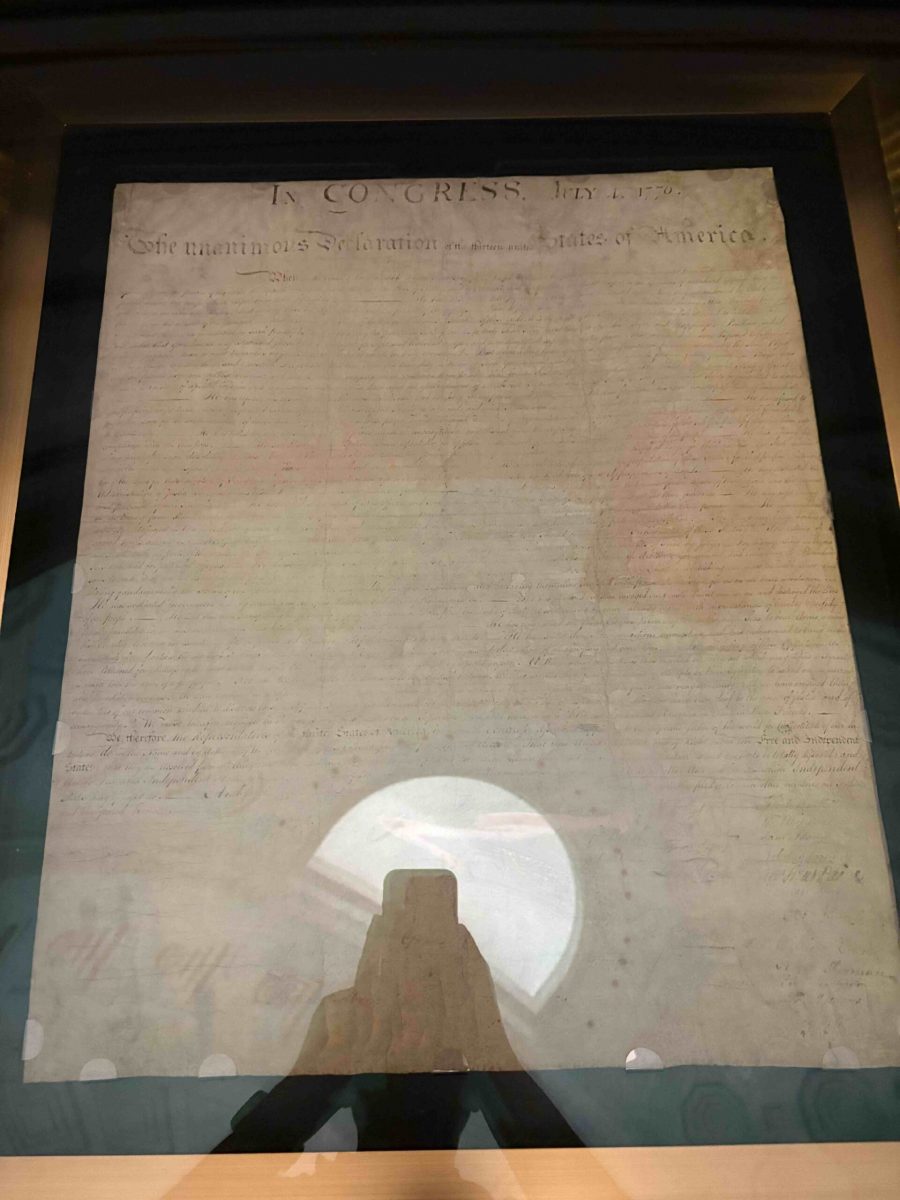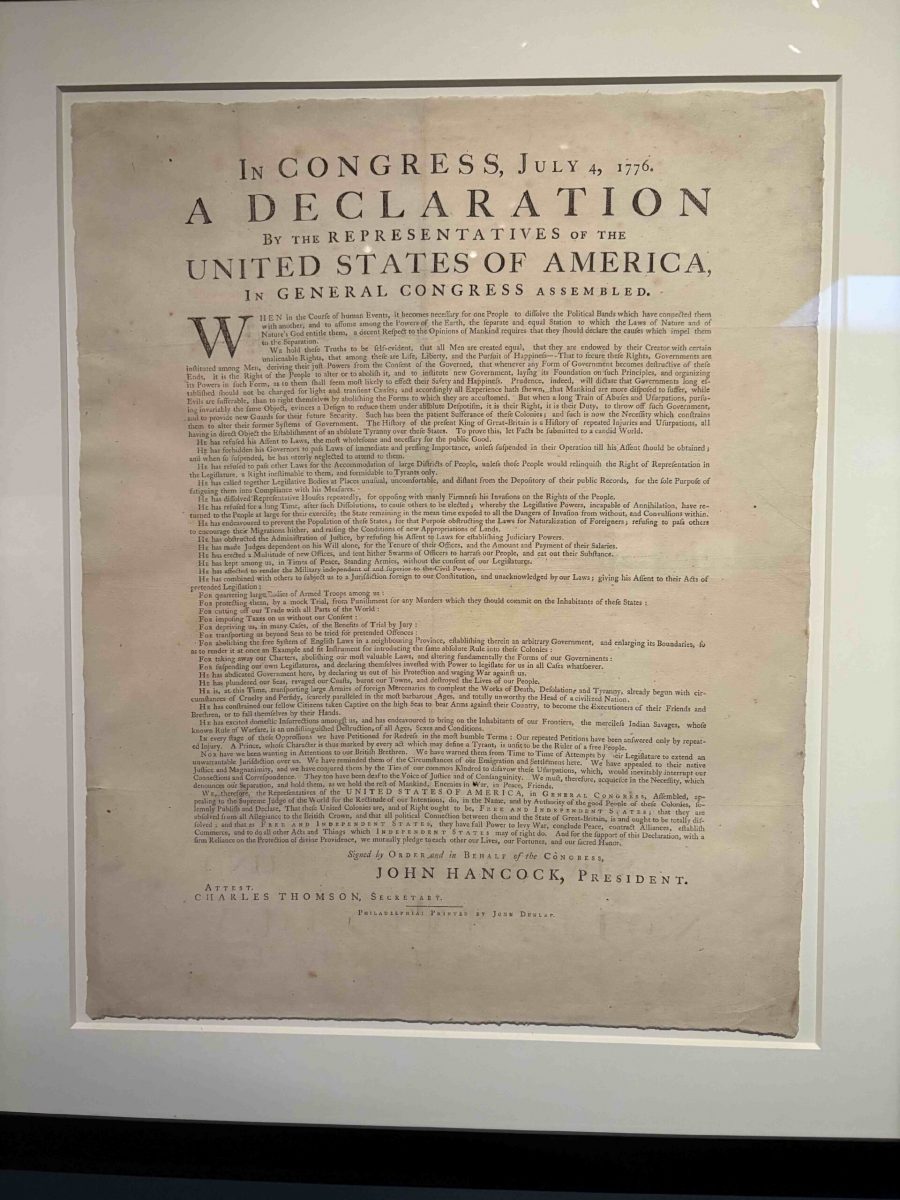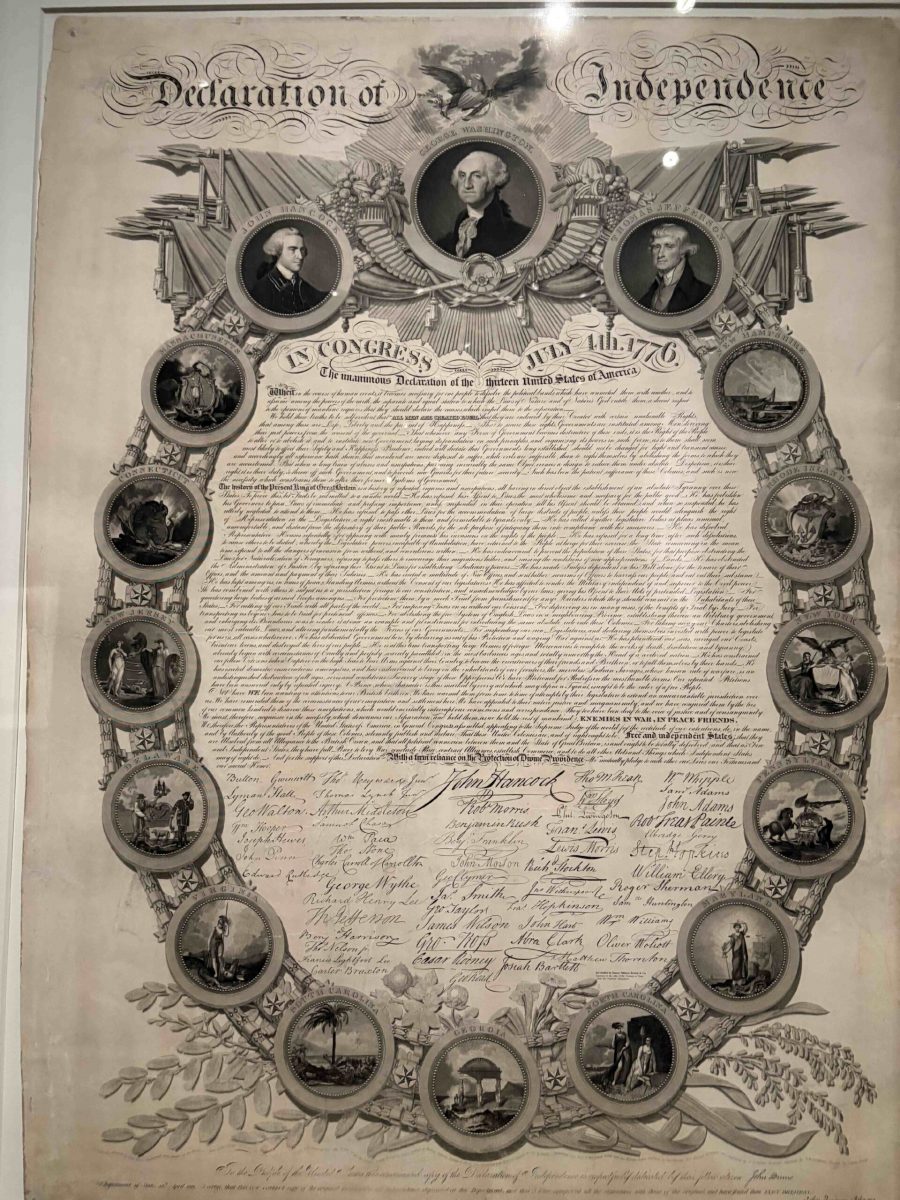

“We hold these truths to be self-evident, that all men are created equal, that they are endowed by their Creator with certain unalienable Rights, that among these are Life, Liberty and the pursuit of Happiness.” That statement from the preamble has been heralded as one of the most powerful and declaratory statements of the Declaration of Independence, a document the thirteen colonies of the New World issued as a sign of their desire to form a new nation, free of the bonds of their Mother Country, Great Britain. Tomorrow marks the 250th anniversary of that act that was viewed as rebellious at the time, but gave birth to a nation that has had the most profound impact on the world since. But how did it all start?
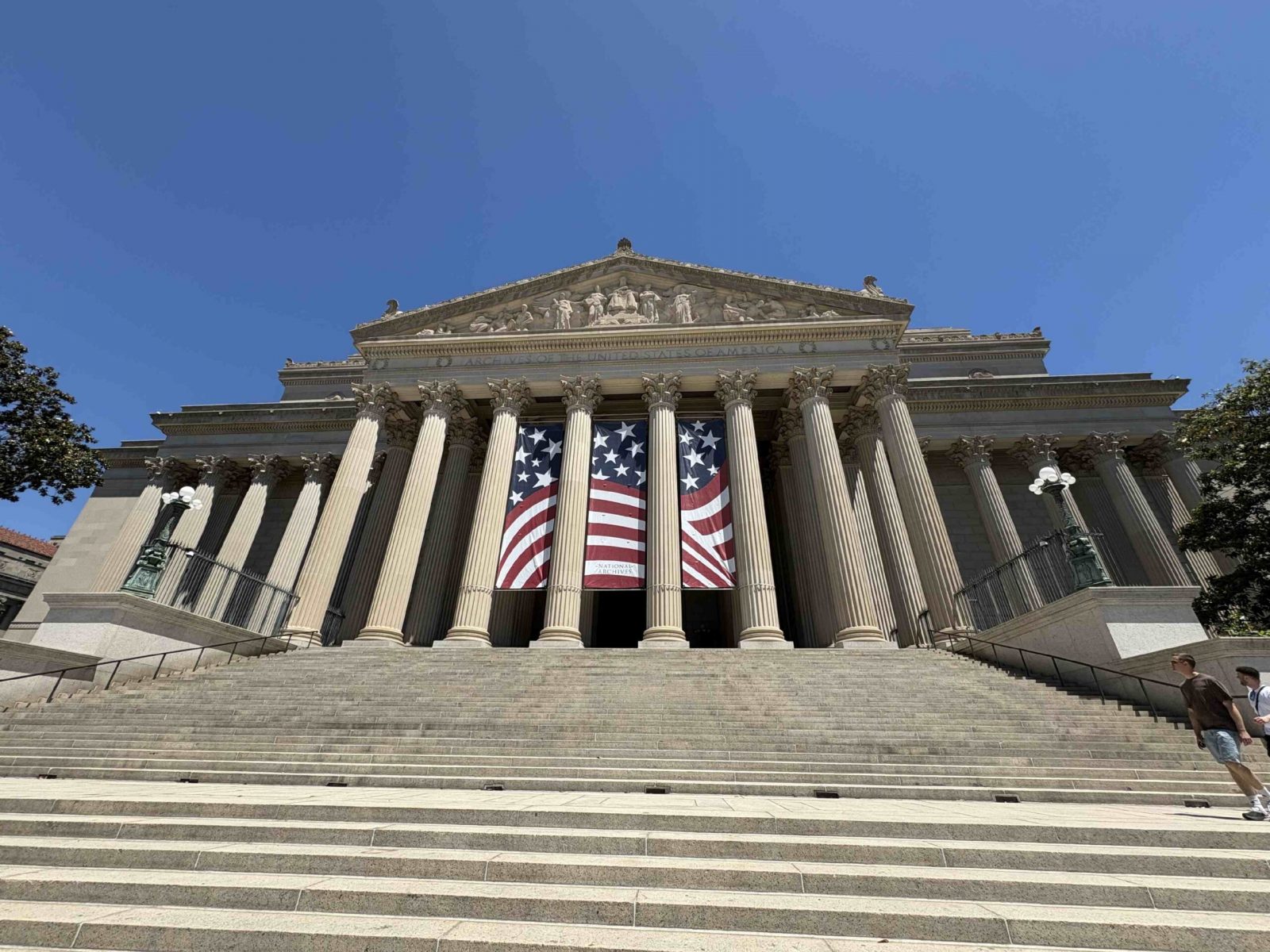
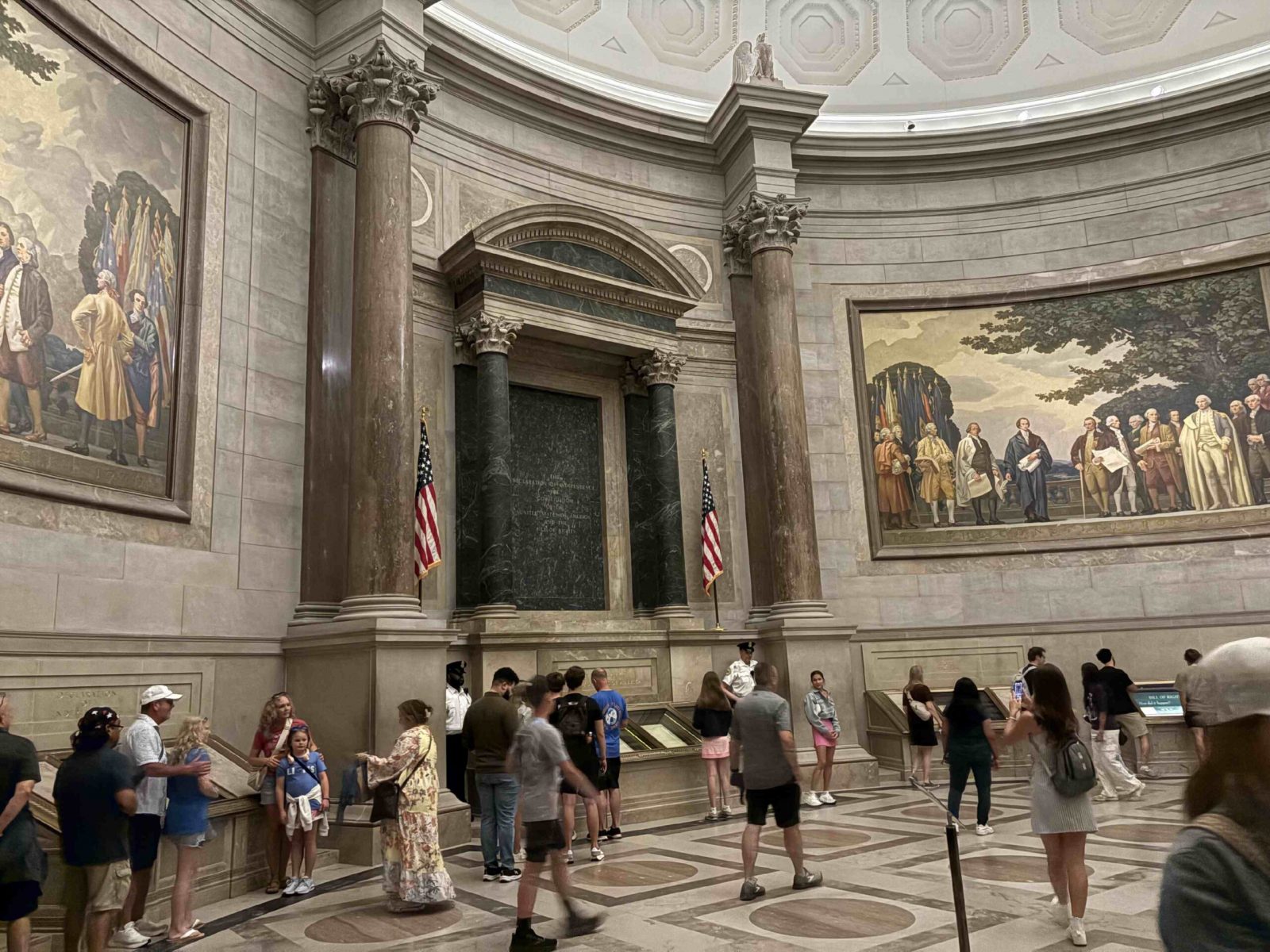
Understanding that has been my goal for the past decade, visiting early colonial sites and digging into the writings and personas of many of our founders. I’ve been to the National Archives to view the document itself, traveling there recently. Even in its permanently faded state after 250 years and some time spent on the wall of the Patent office, it still holds almost as sacred a meaning as two tablets of stone containing commandments given to Moses. For you see, until that document was authored no other nation had ever declared in such succinct terms independence from its founding country.
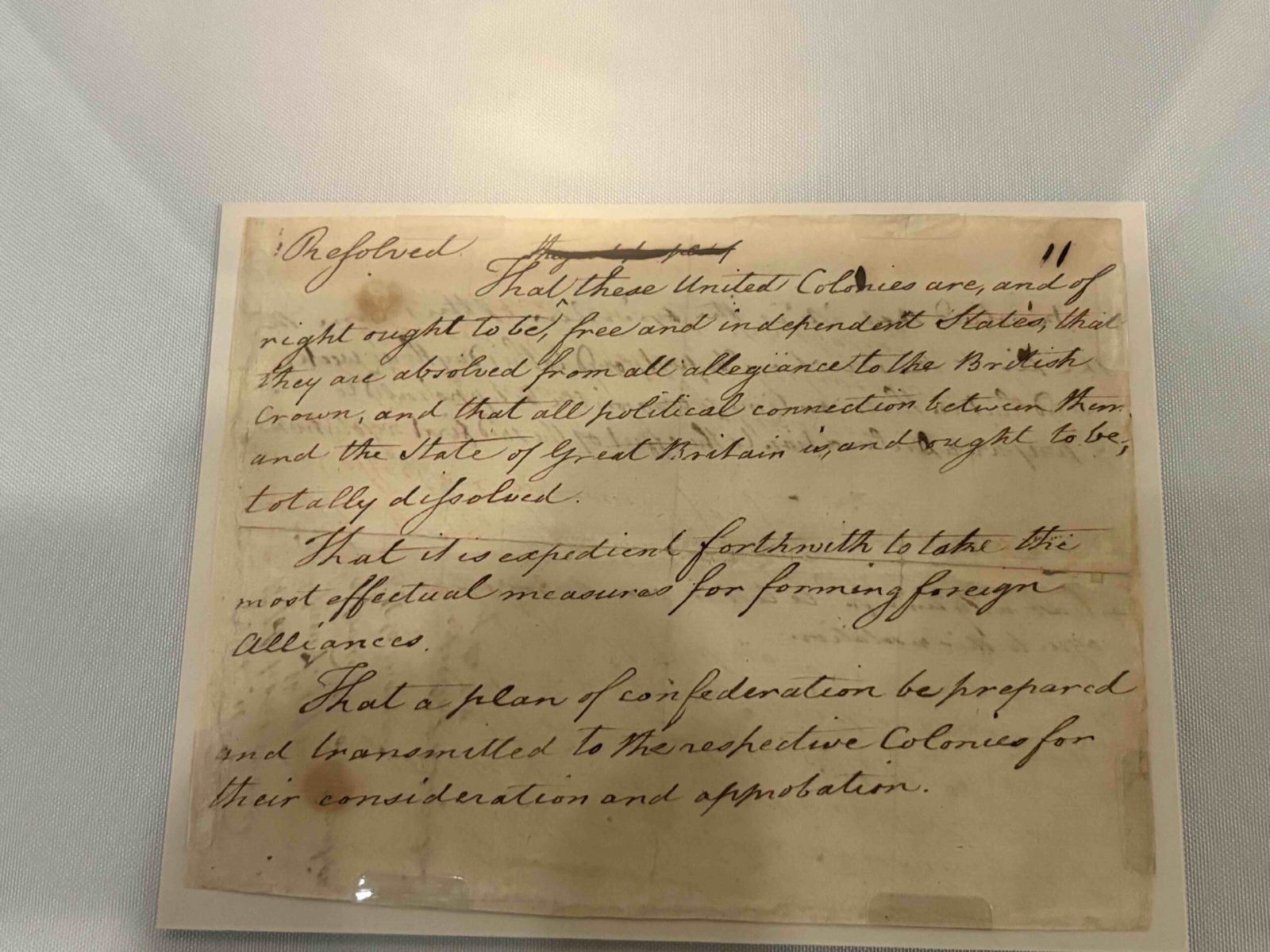
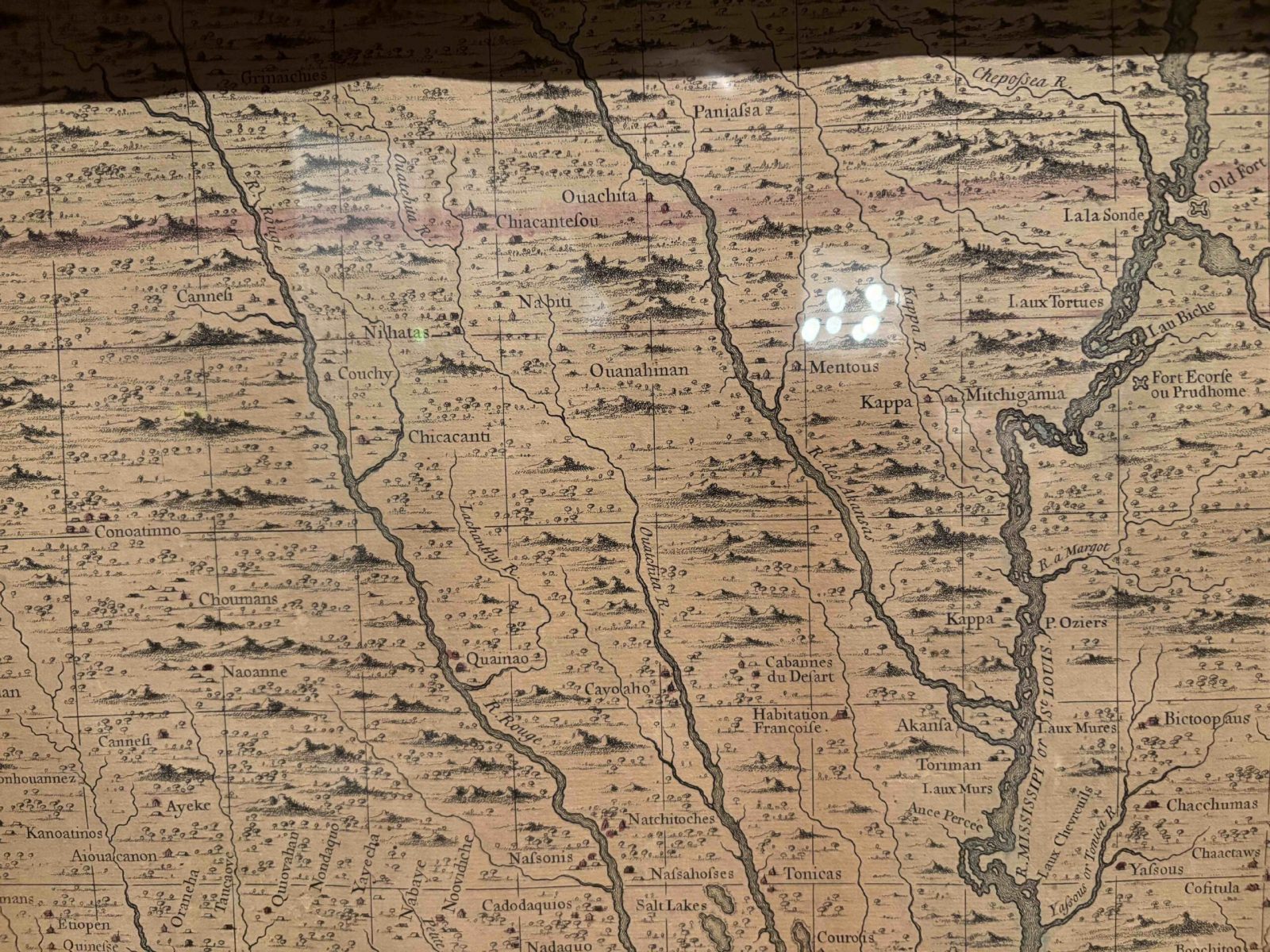
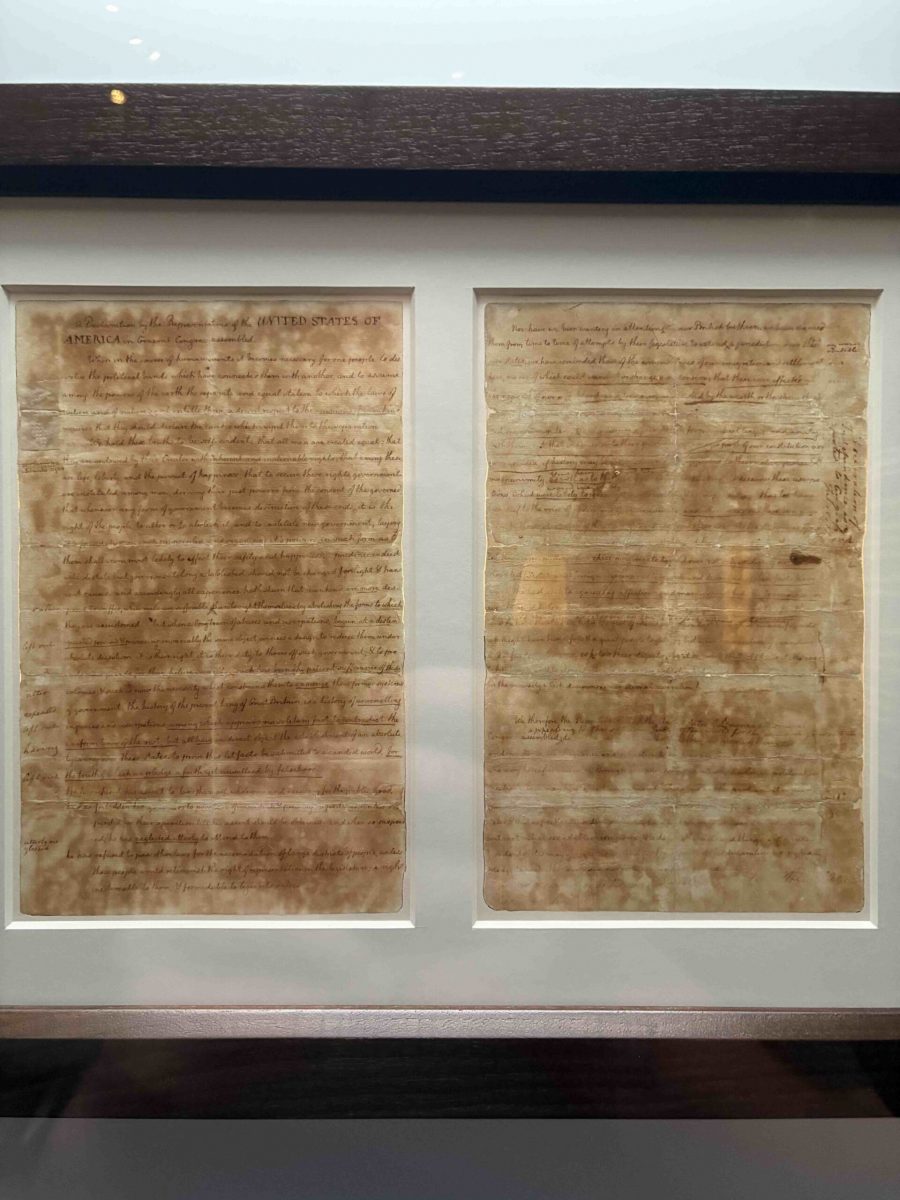
My journey has taken me from Washington where I’ve seen not only the document, but various other supporting documents such as the resolution from Richard Henry Lee, delivered to Congress on June 7th, to set things in motion. That resolution, authorized by the Virginia legislature, was clear and simple, stating “That these United Colonies are, and of right ought to be, free and independent States,” and that allegiance with Great Britain should be dissolved. After adoption of the Lee resolution, the Congress assembled a committee of Thomas Jefferson, John Adams, Benjamin Franklin, Roger Sherman, and Robert Livingston, with Jefferson writing the draft.
I’ve been to Williamsburg where the Virginia legislature met and many of the founders resided. In Williamsburg, one of the more interesting places to visit was Bruton Parish, a church that has met since those time and still meets today. One of the interesting stories of the church is that students from the College of William and Mary would attend and sit in the balcony. They would often carve their initials in the balcony, one of which was that of Thomas Jefferson.
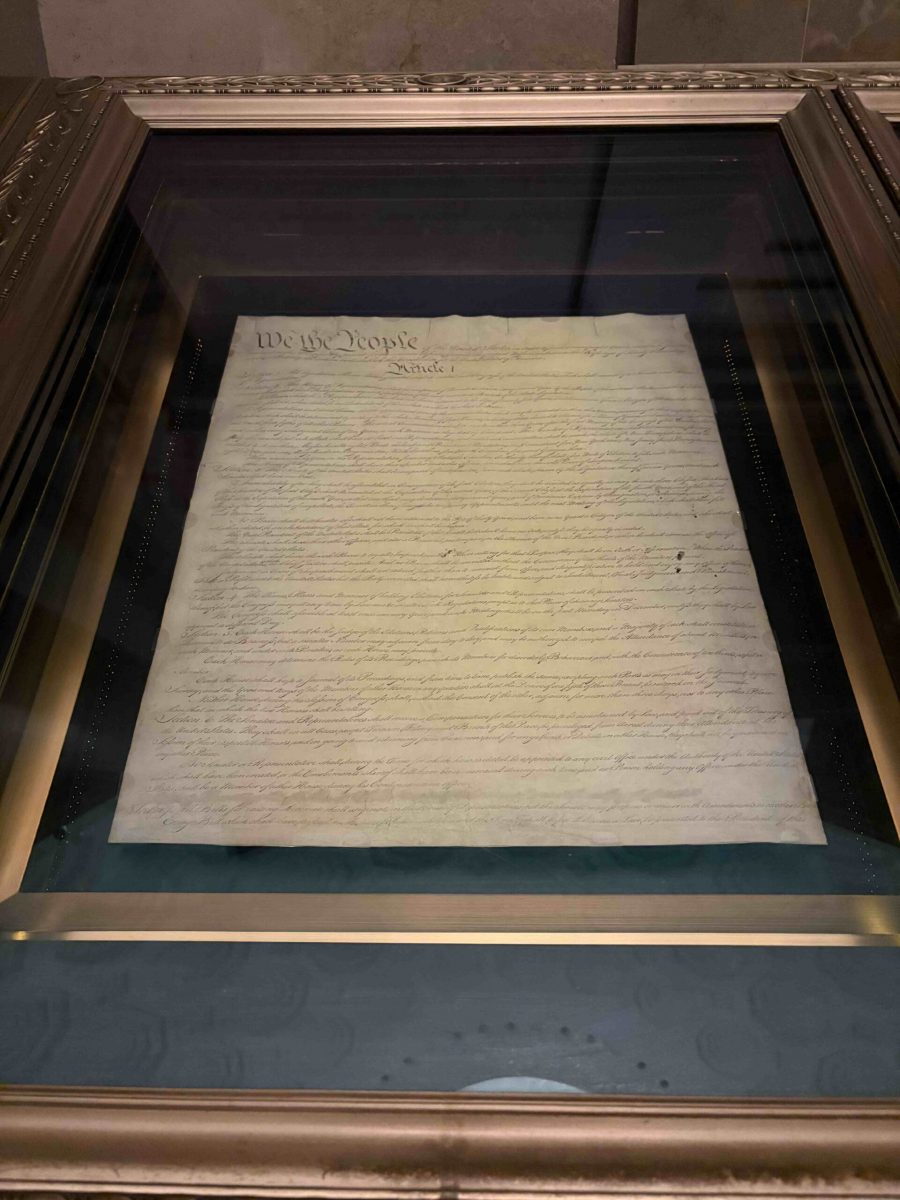
I’ve been to Montpelier, James Madison’s estate in horse country in Virginia. While Madison was not a member of the Second Continental Congress when the Declaration was adopted, he was a part of the formation of the Constitution and documented the discussion that led to each clause of that document. I stood in Madison’s study, overlooking the hills spread before the estate and wondered what he thought as the nation unfolded before him.
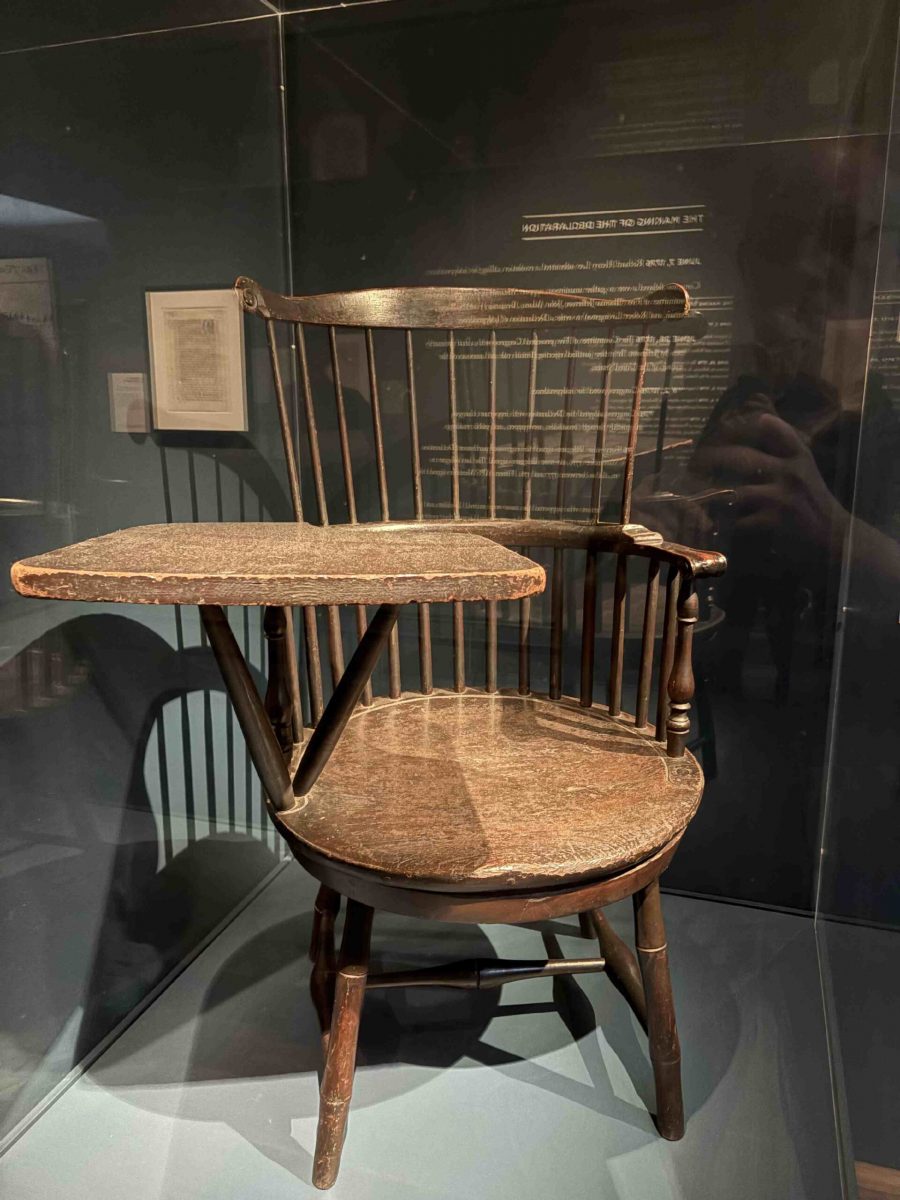
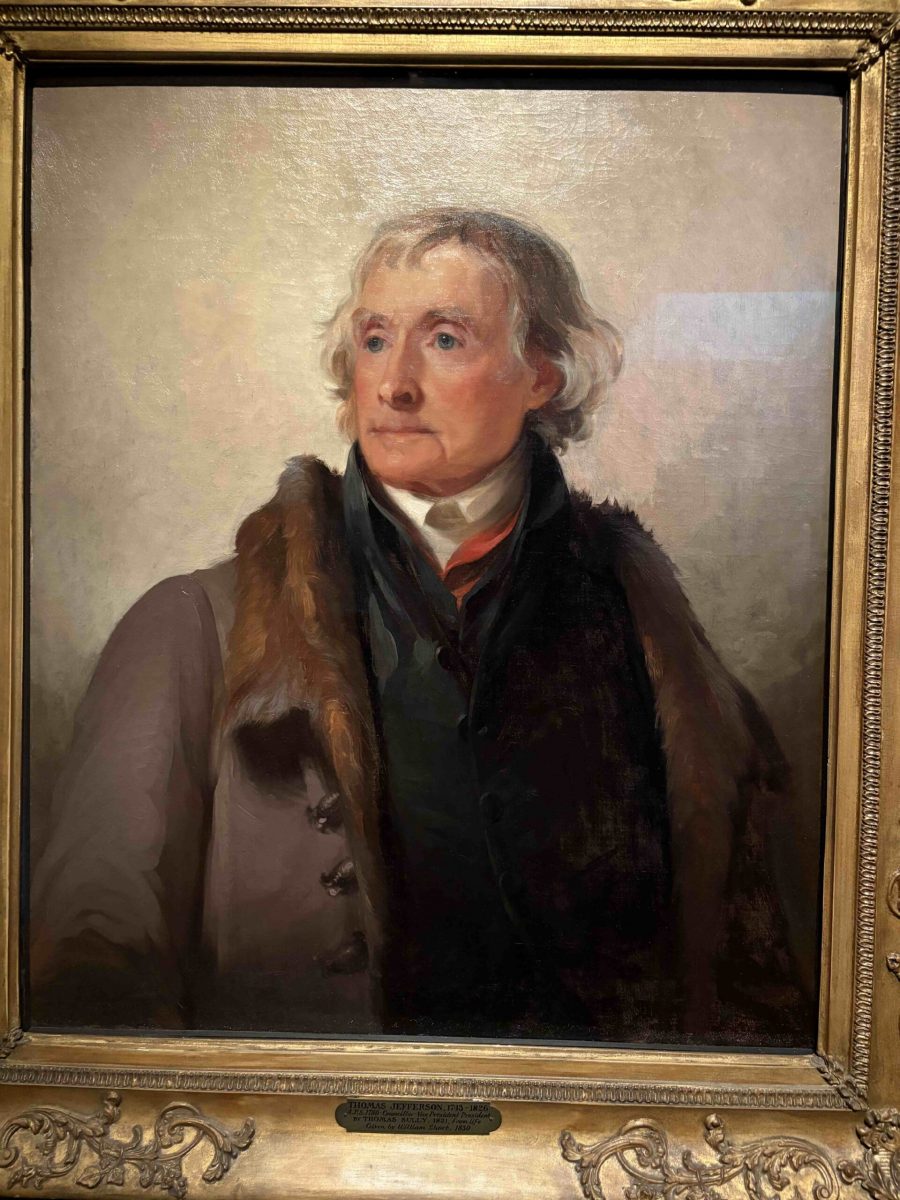
I’ve been to Monticello, Thomas Jefferson’s estate on the mountain, and marveled at his ingenuity and intellect. Jefferson’s home is not only a collection of his library and writings, but of his inventions such as the “copy machine” which allows writing to be copied to another document and the Great Clock. In Jefferson’s bedroom where the bed opens to both the study and the dressing room. In the room sit Jefferson’s tall boots. It captures the life of the man who penned the document we celebrate today.
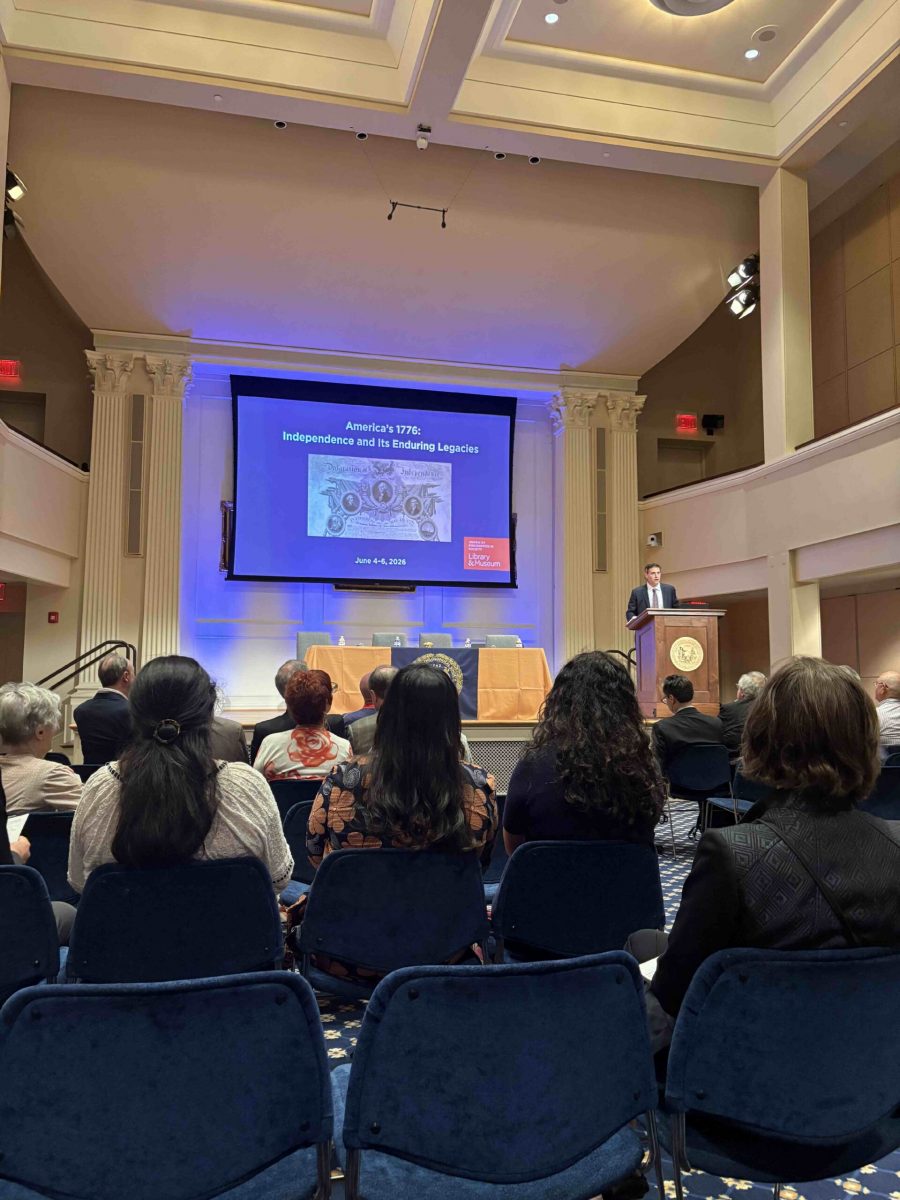
A few weeks ago, I had the opportunity to visit Philadelphia, the birthplace of our nation. It would have been one thing if I had just visited the sites, but I discovered a very unique opportunity. The American Philosophical Society was holding a three-day conference on various events and themes surrounding the Congress. Historical scholars from universities and organizations presented papers on everything from the acts endured by colonials that led to the grievances to the fashion of the founders.
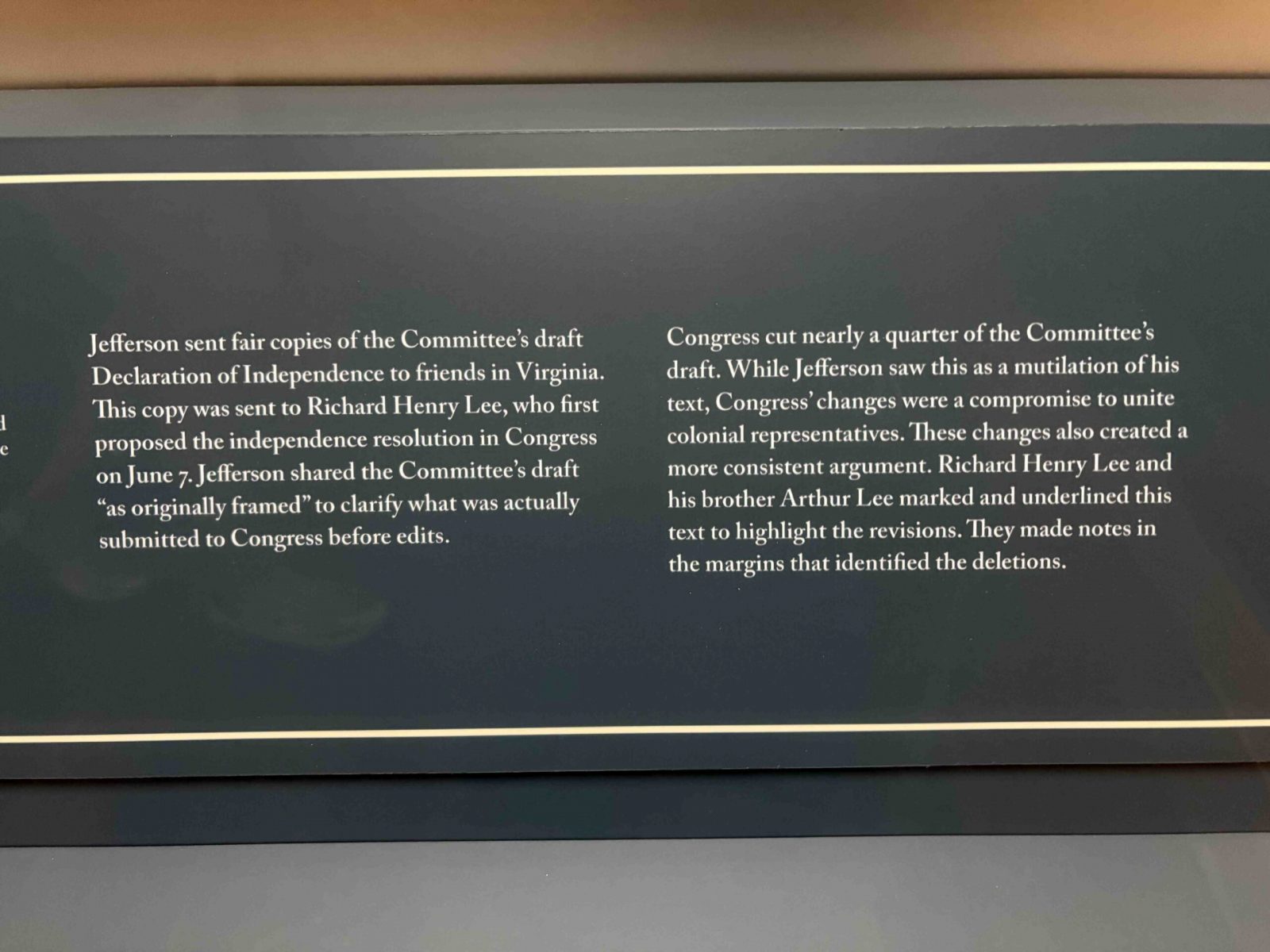
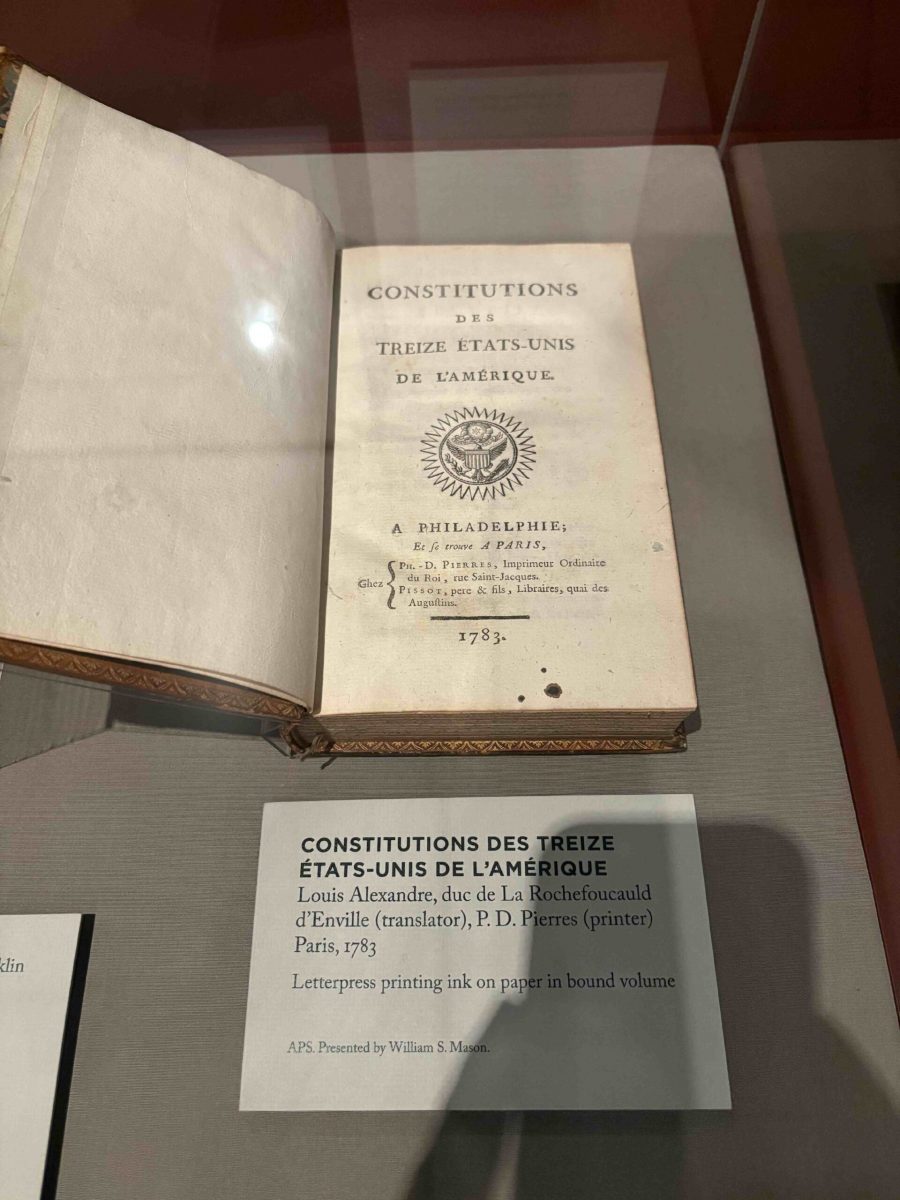
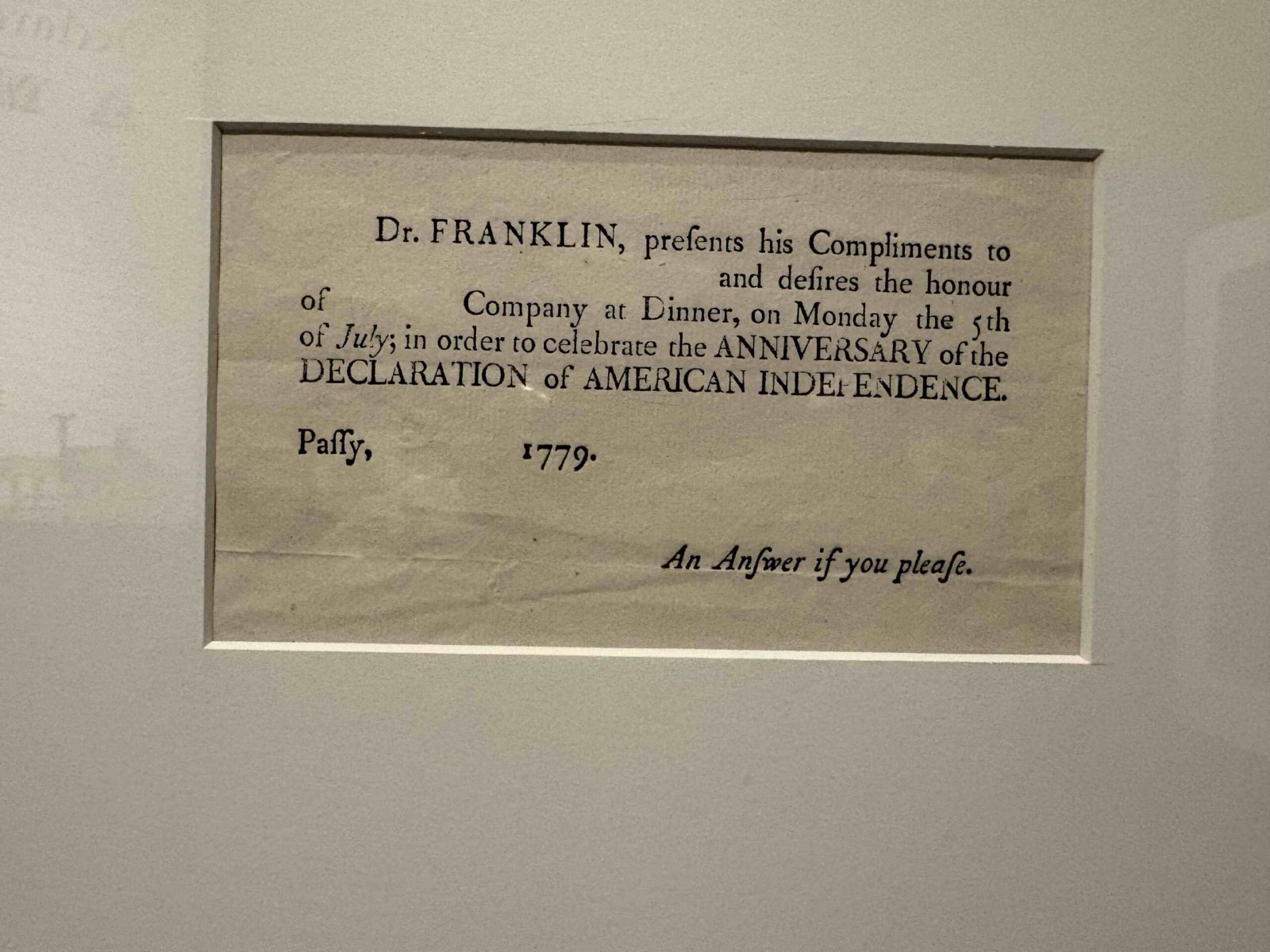
To give you some context on how significant that conference was, the APS was founded by Franklin in 1743 and counts as former members many of the founders, Albert Einstein, Ray Kurzweil and other intellectuals. Its library contains a fair copy of the Declaration presented by Jefferson to Richard Henry Lee and one of the original Dunlap broadsides. The museum and office are the only building not owned by the federal government that sits on the grounds of Independence Hall.
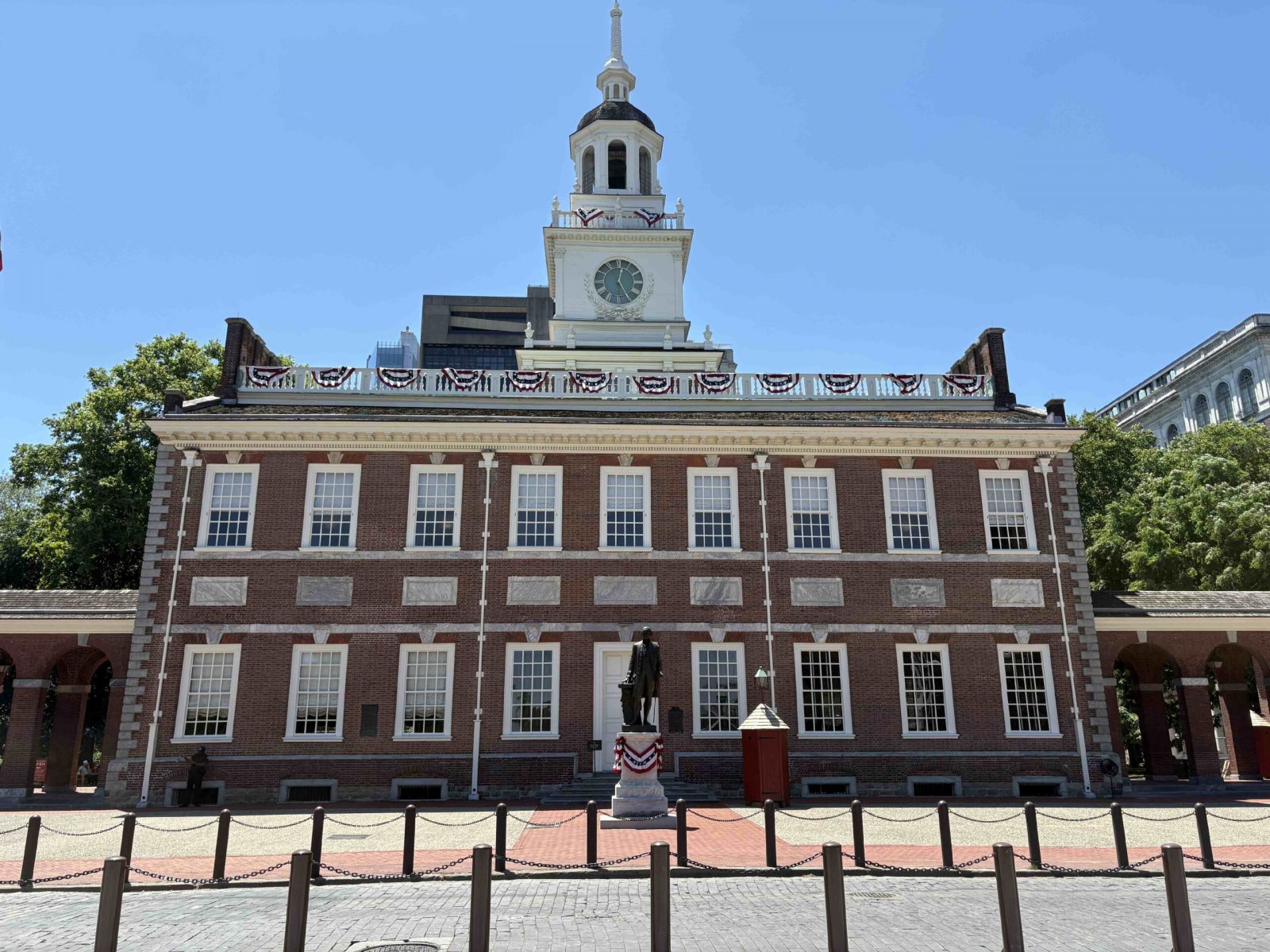
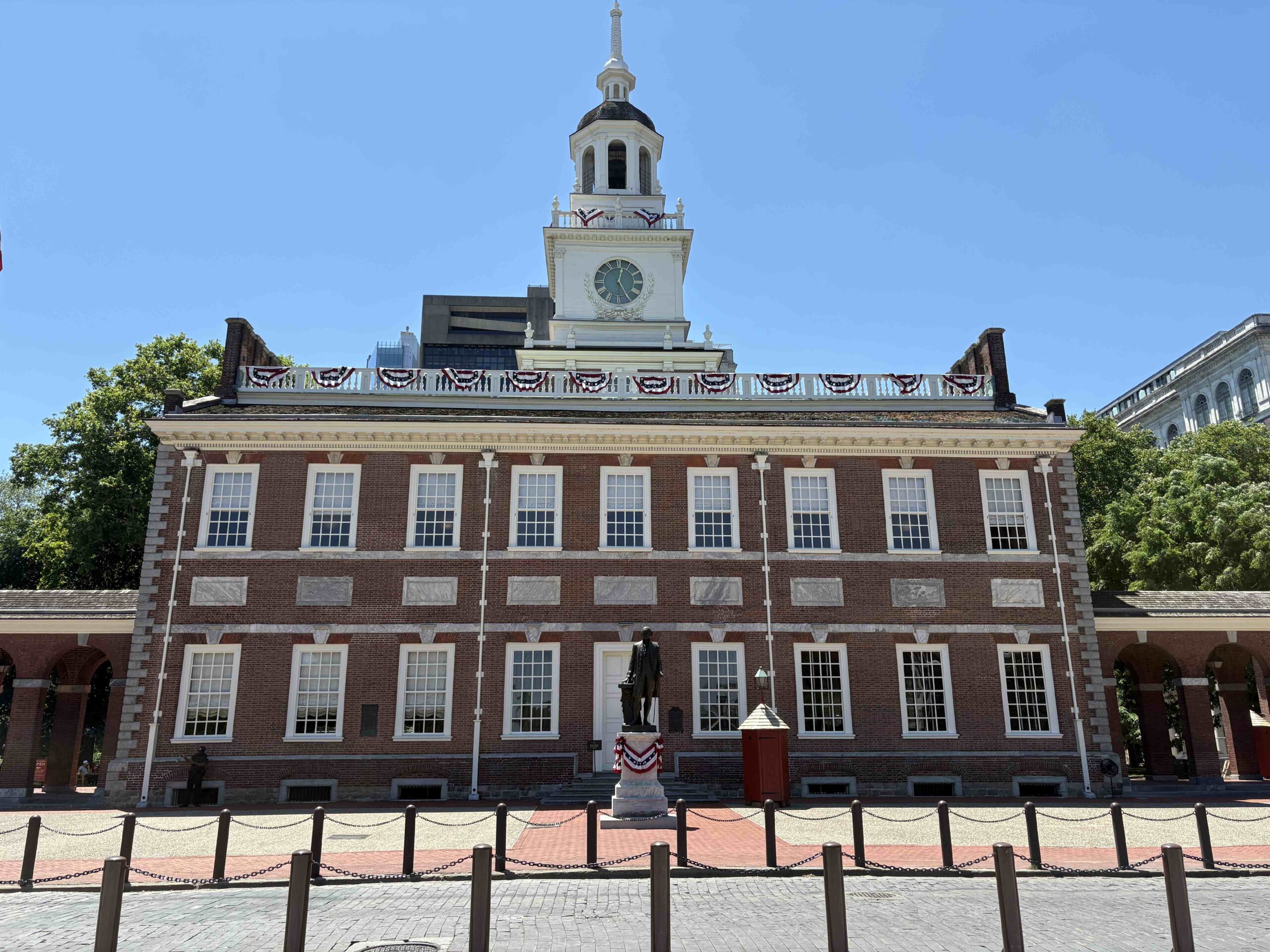
Thanks to some diligence, I was able to secure a ticket to tour Independence Hall and see the room where it happened as well as the first chambers of Congress and the Supreme Court of the fledgling nation. A little known fact is that when the nation was founded, the capitol was supposed to be in New York City, but there were no buildings for Congress to meet in. The new capitol in Maryland had not been built, so Philadelphia stepped up and offered buildings for the first ten years of the nation. In those halls, the Bill of Rights was passed and George Washington’s entire presidency was spent in Philadelphia.
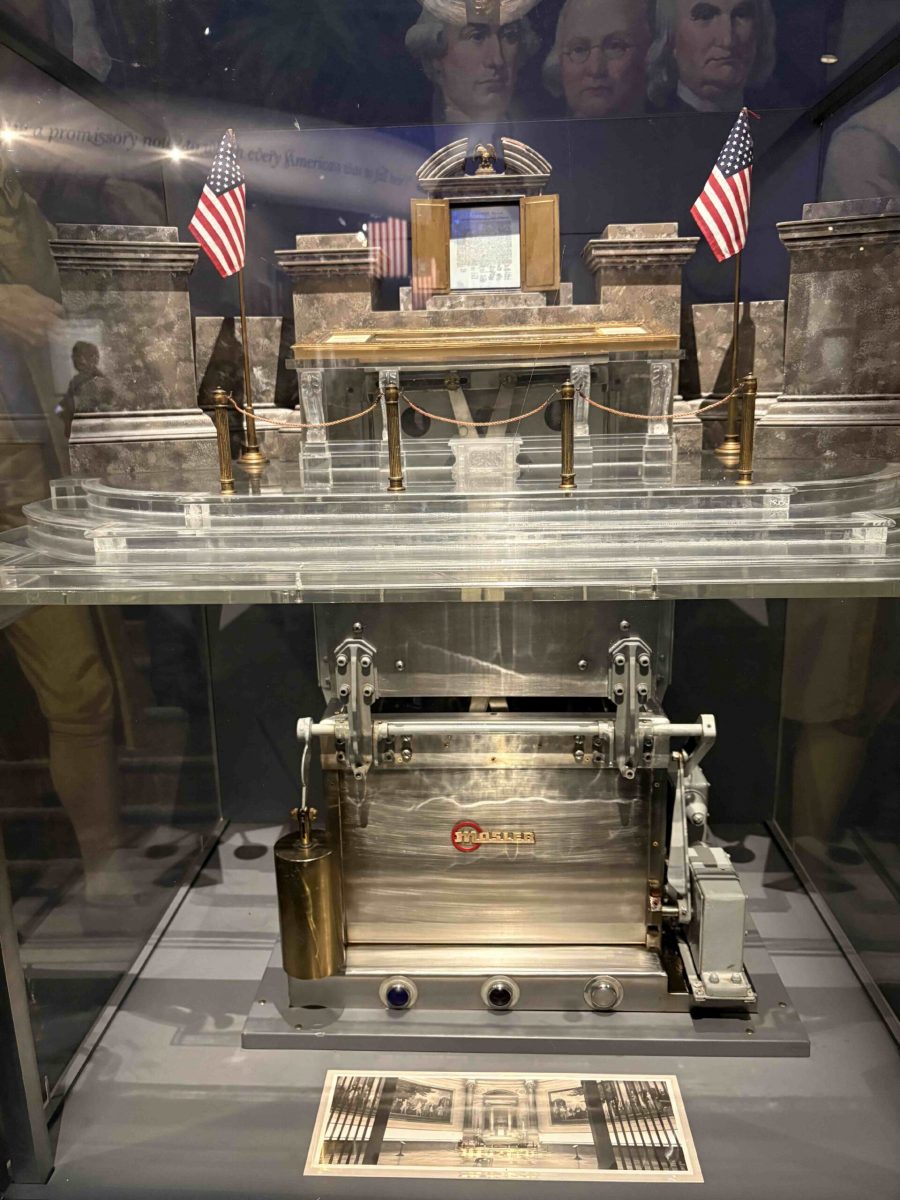
I walked around several other sites such as the location of Washington’s home and the courtyard where Franklin’s home resided off Market Street. I also was able to visit the Second National Bank building, opened the day before my visit. The building now contains the portrait collection of Charles Willson Peale, capturing the images of many of the founders and key people of the founding of the country.
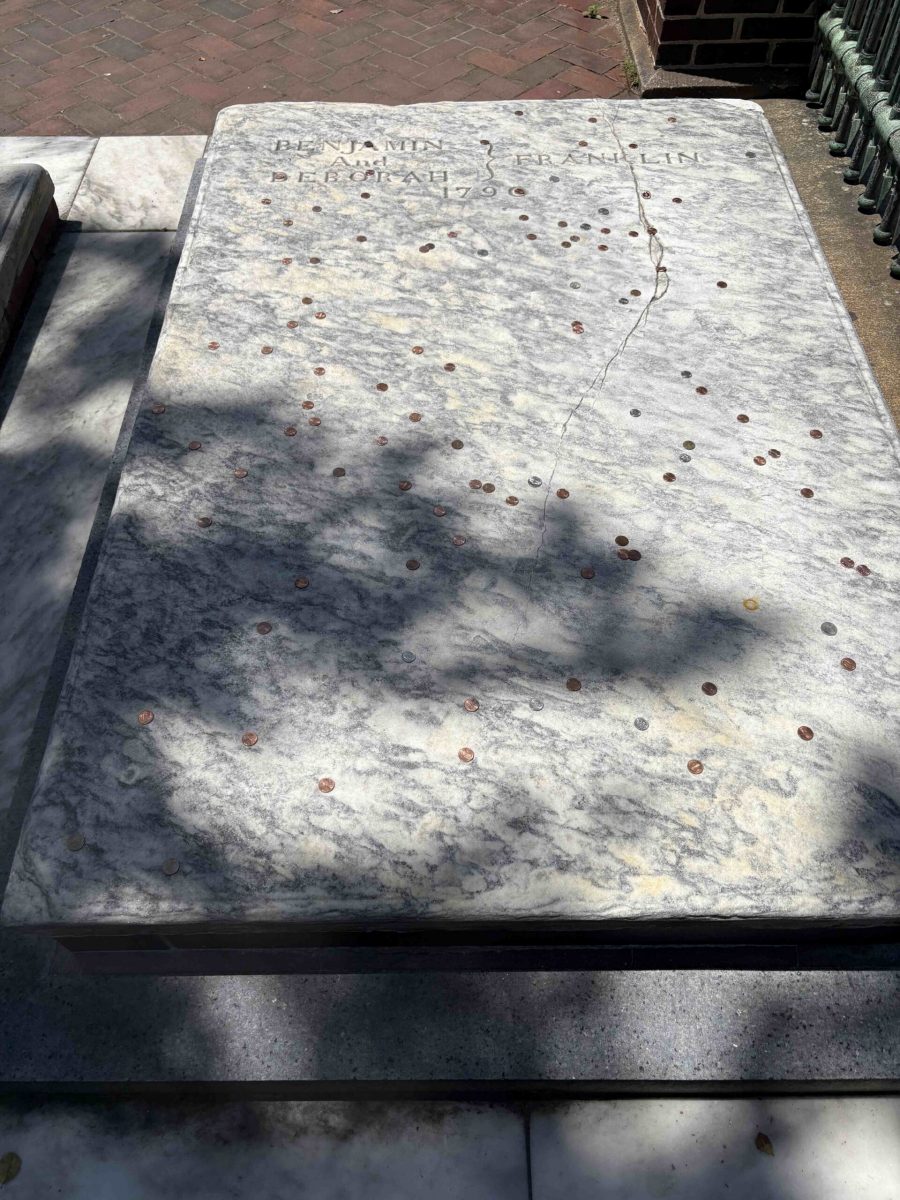
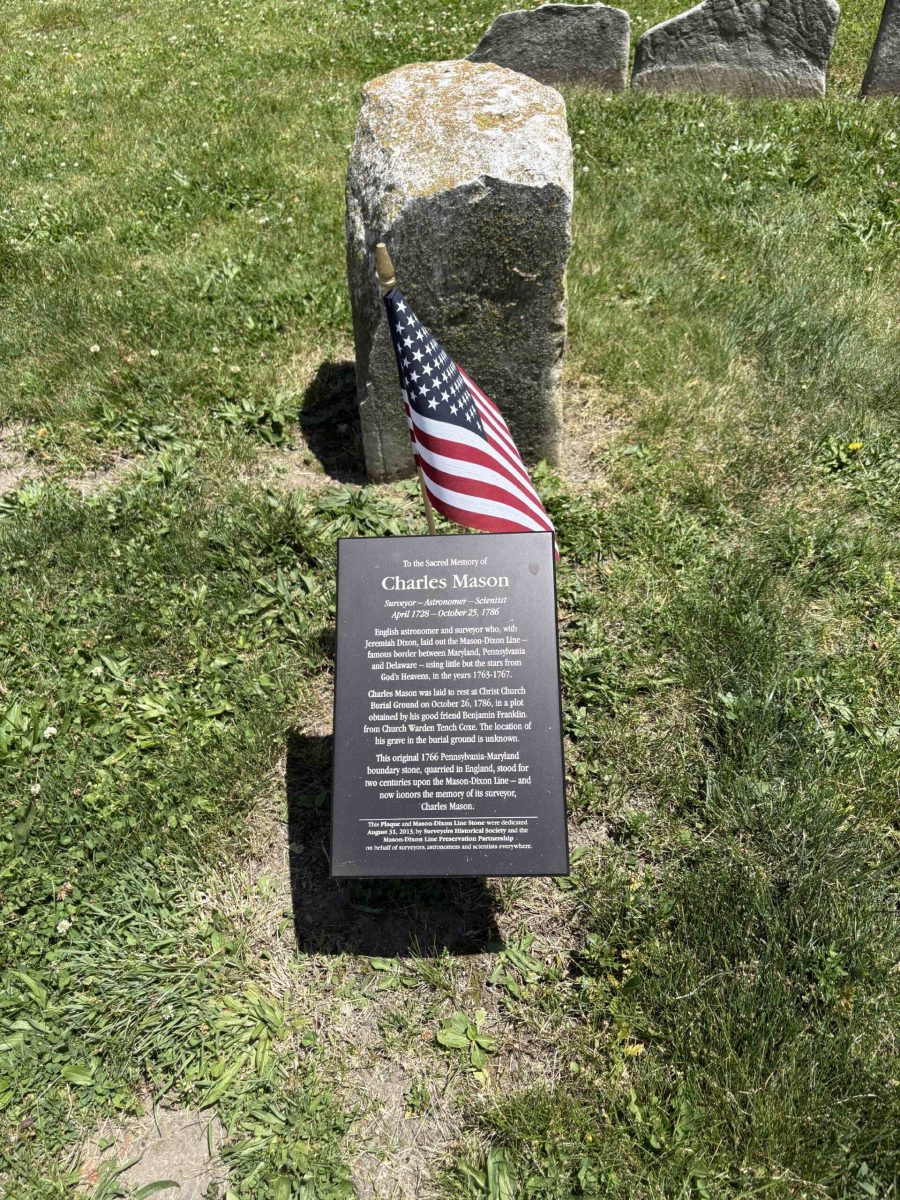
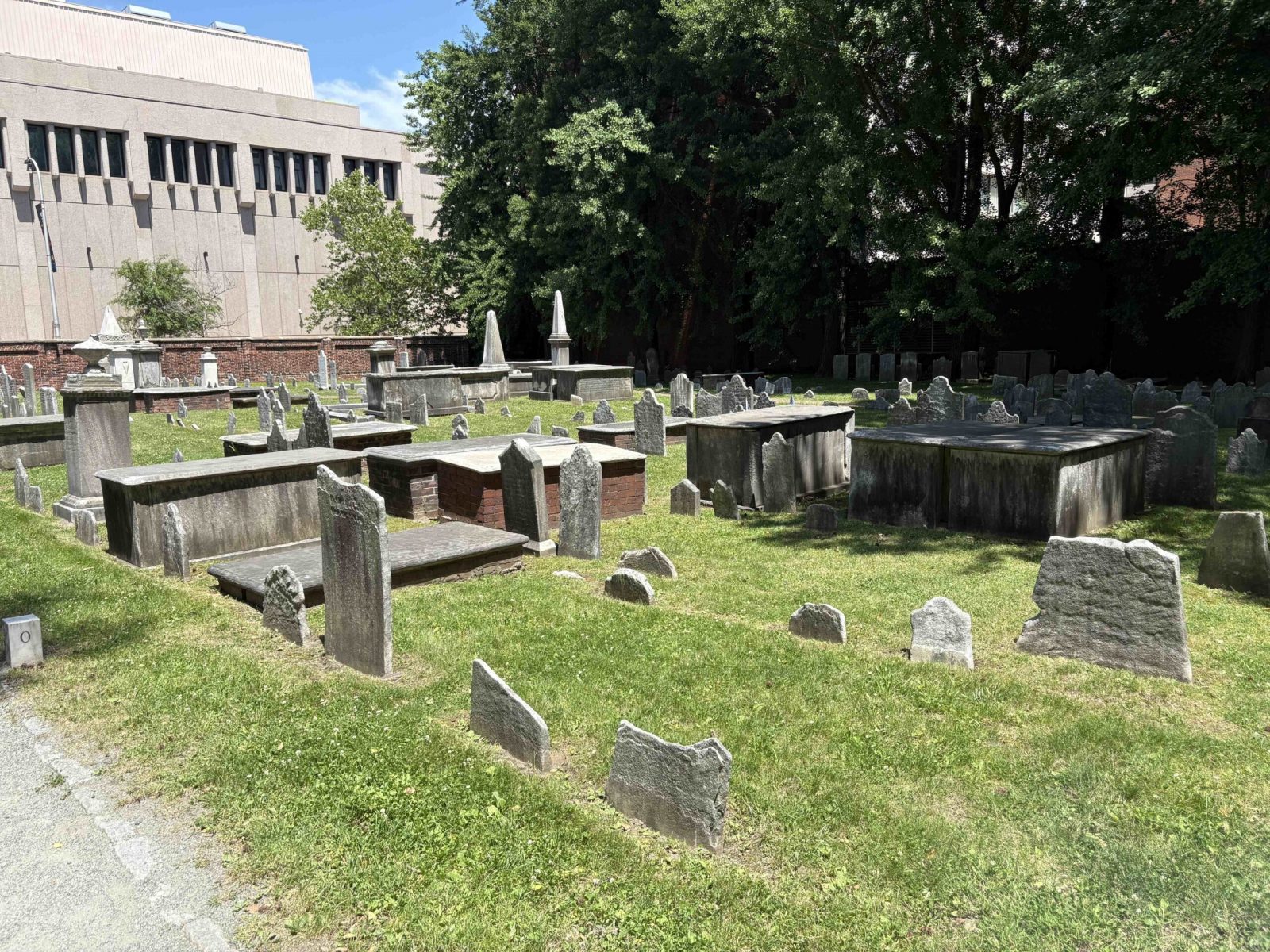
I wandered through the burial grounds of Christ Church in Philadelphia where Franklin, Benjamin Rush, and several other signers are buried. It is also where John Dunlap, the printer who printed the first copies of the Declaration is buried as well as Commodore Bainbridge, the commander of Old Ironside. It’s interesting that Franklin’s grave is right across the street from the US Mint where pennies with his image are minted. The slab covering his grave is littered with pennies for good luck.
The past year has also been a great year regarding the 250th anniversary. Not only did I enjoy Ken Burns’ American Revolution, but I had the opportunity of hearing him speak at Crystal Bridges. I was able to attend a session at the Clinton Center with the historian of Monticello and the president of the soon to be built John Adams Presidential Library about the “bromance” of Jefferson and Adams.
All of this has helped personalize and provide much needed context on our nation’s founding. It helped me get past the myths and legends and understand the facts. Too often, we try to glamorize the founding to justify nationalism. The reality is that our founding was full of flaws and mistakes, but through it all the founders help foster a nation that succeeded.
Think about that a minute. There were so many situations in the early days where this experiment in democracy could have failed. Those founders knew that if they had held grudges and dissent in some times of confrontations, the entire thing could have collapsed. Instead, they reconciled their differences, compromised, and allowed it to grow. Very honestly, the environment we have in the nation today would have most likely led to the destruction of that republic. I really wish our current national leaders understood that one point.